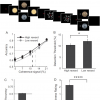
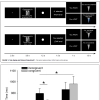
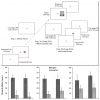
Fang Fang's lab combined psychophysics, functional magnetic resonance imaging (fMRI) and event-related potential (ERP)to investigate the neural mechanisms of visual crowding.
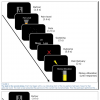
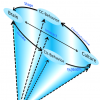
Fang Fang’s lab recently combined psychophysical adaptation, functional magnetic resonance imaging adaptation (fMRI adaptation) and dynamic causal modeling (DCM)to investigate the neural mechanisms of...
Yun Wang's lab found that the LIM motif–containing protein kinases (LIMKs), which regulate actin dynamics, promoted the development of inflammatory hyperalgesia (excessive sensitivity to painful stimu...
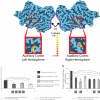
Zhuan Zhou's lab indicates that cholinergic stimulation-induced DA release is profoundly modulated by physiologically relevant levels of nicotine and resolves the paradoxical observation of nicotine’s...
Yun Wang's lab found that , for the first time, the epigenetic regulators CDYL and EZH2 to dendrite morphogenesis and might shed new light on our understanding of the regulation of the neurodevelopmen...
Sheng Li’s lab combined reward learning and change detection paradigms, and investigated the modulation effect of reward association on visual working memory (VWM
Yun Wang's lab found that PKDs also participate in other processes in the nervous system including neuronal polarity establishment, neuroprotection, and learning. Here, they discuss the connections be...
Shiming Tang's lab report that any color activates 1-4 separate cortical patches within “globs”, millimeter-sized color-preferring modules. Most patches belong to different hue- or lightness-clusters,...
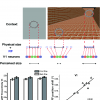
In this study, with fMRI and aMRI, Professor Fang’s group addressed this issue by searching for the neural correlates of perceptual learning of face views over a long time course. Human subjects were ...
Yun Wang's lab report that acute cocaine exposure induces protein kinase D1 (PKD1) activation in the rat striatum, and knockdown of PKD1 inthe rat dorsal striatum attenuates cocaine-induced locomotor ...